

Introduction
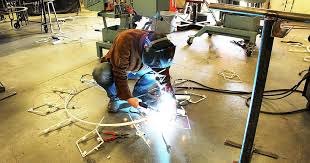
Welding is a crucial skill across multiple industries, from construction and automotive repair to manufacturing. In Hamilton, the use of diverse welding techniques ensures the strength, durability, and functionality of welded structures. Each method offers distinct advantages tailored to specific needs and materials. This article explores the various welding techniques utilized in Hamilton, highlighting their unique characteristics, applications, and benefits. 🔧✨
Table of Contents
- Introduction
- Shielded Metal Arc Welding (SMAW)
- Gas Metal Arc Welding (GMAW)
- Flux-Cored Arc Welding (FCAW)
- Gas Tungsten Arc Welding (GTAW)
- Submerged Arc Welding (SAW)
- Resistance Spot Welding (RSW)
- Plasma Arc Welding (PAW)
- Conclusion
- FAQs
- Q: What is Shielded Metal Arc Welding (SMAW)?
- Q: Where is Gas Tungsten Arc Welding (GTAW) commonly used?
- Q: Why is Submerged Arc Welding (SAW) suitable for large materials?
- Q: How does Resistance Spot Welding (RSW) benefit manufacturing processes?
- Q: What industries benefit from Plasma Arc Welding (PAW)?
Shielded Metal Arc Welding (SMAW)
Shielded Metal Arc Welding (SMAW), also known as stick welding, is a traditional and versatile technique. It employs a consumable electrode coated in flux. When heated, the flux forms a protective gas shield around the weld, shielding it from contaminants. SMAW is praised for its adaptability and is widely used for welding iron and steel in heavy-duty industries. Its simplicity and effectiveness make it a staple in various sectors, from construction to repair work. 🛠️💪
Gas Metal Arc Welding (GMAW)
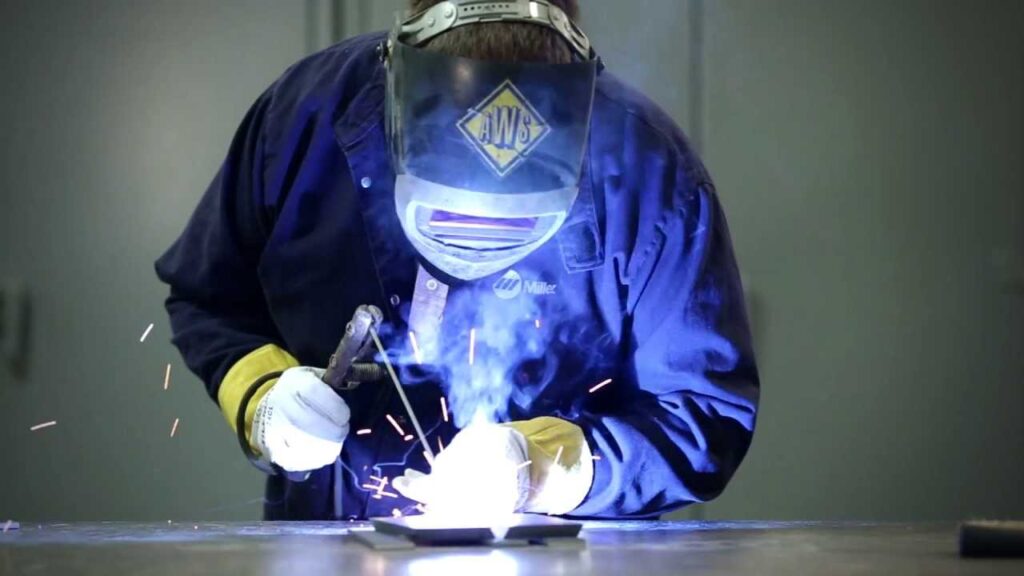
Gas Metal Arc Welding (GMAW), or MIG (Metal Inert Gas) welding, is noted for its continuous wire feed electrode and shielding gas. Typically, argon or carbon dioxide is used to protect the weld from oxidation and contamination. GMAW stands out for its speed and efficiency, making it ideal for welding non-ferrous metals like aluminum and stainless steel. Its ease of use and ability to produce high-quality welds with minimal post-weld cleanup make it a preferred choice in industrial and automotive applications. ⚙️🚗
Flux-Cored Arc Welding (FCAW)
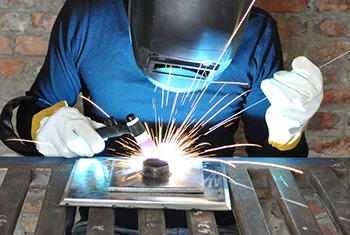
Flux-Cored Arc Welding (FCAW) is an advanced variant of GMAW. It uses a tubular wire filled with flux, which provides extra protection and improves the quality of the weld. FCAW is especially effective for welding thick materials, thanks to its high deposition rate and strong welds. This technique is frequently used in construction and heavy industries where robust, durable welds are essential. FCAW’s capability to perform well outdoors further extends its utility in demanding environments. 🏗️🔩
Gas Tungsten Arc Welding (GTAW)
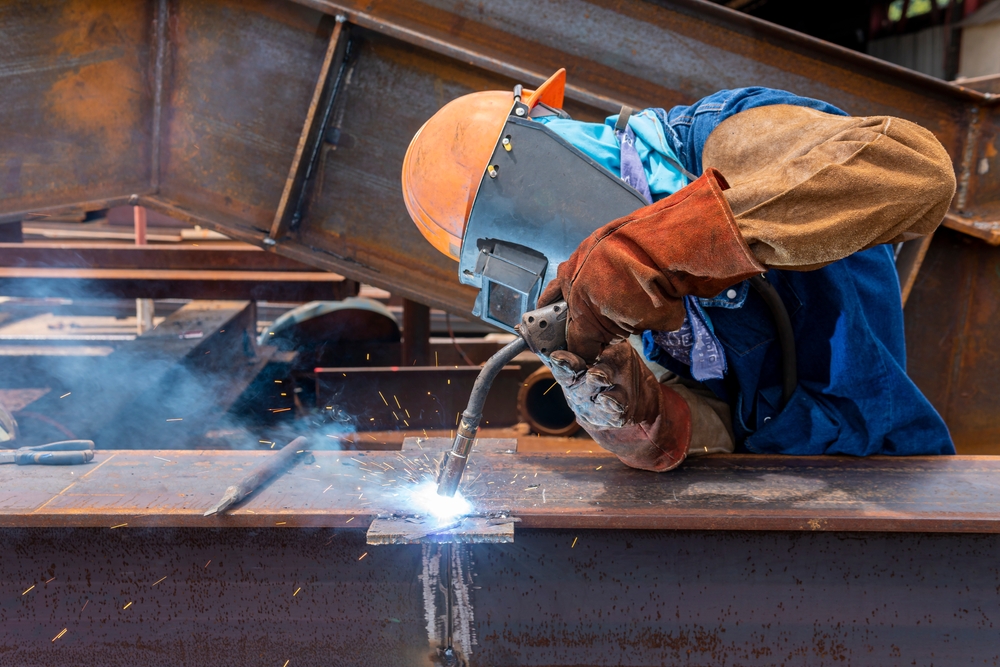
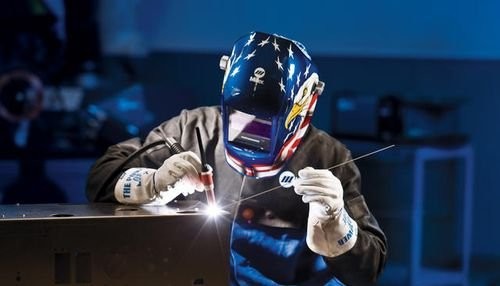
Gas Tungsten Arc Welding (GTAW), or TIG (Tungsten Inert Gas) welding, features a non-consumable tungsten electrode. A separate filler rod is used to add material, while an inert gas like argon protects the weld area. GTAW is celebrated for its precision and high-quality welds, making it ideal for applications requiring meticulous attention to detail. Commonly employed in industries such as aerospace and automotive, GTAW excels in welding thin materials and achieving a clean finish. ✨🚀
Submerged Arc Welding (SAW)
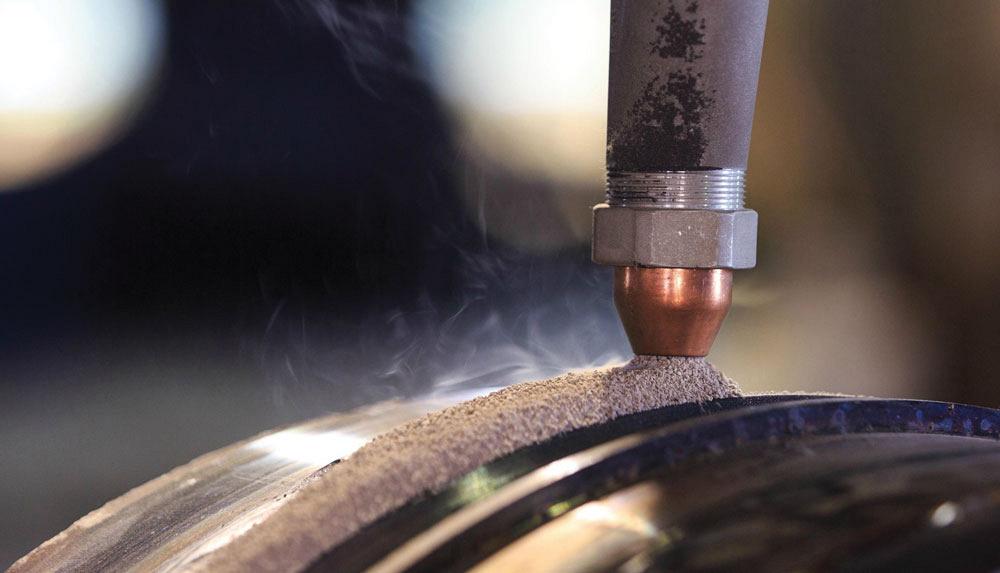
Submerged Arc Welding (SAW) involves creating an arc between a continuously fed electrode and the workpiece, with the arc submerged under a blanket of granular flux. This method offers deep weld penetration and protection from contaminants, making it ideal for large and thick materials. SAW is extensively used in shipbuilding, pipeline construction, and other heavy industrial applications where large-scale welding projects are common. 🌊🔧
Resistance Spot Welding (RSW)
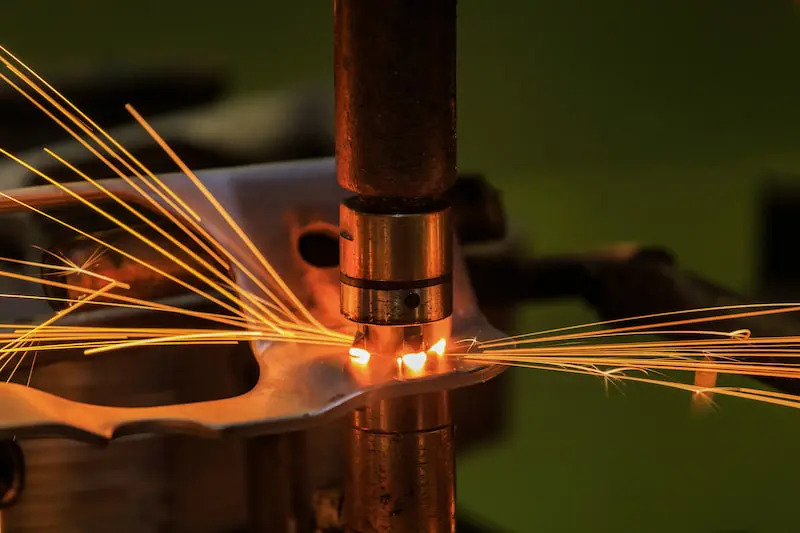
Resistance Spot Welding (RSW) joins metal surfaces by applying heat generated from resistance to electric current. This technique is commonly used in automotive manufacturing to efficiently join sheet metal components. RSW delivers fast, reliable, and consistent welds, enhancing production efficiency. Its ability to create strong welds with minimal thermal distortion makes it suitable for high-volume manufacturing environments. 🚗🔌
Plasma Arc Welding (PAW)
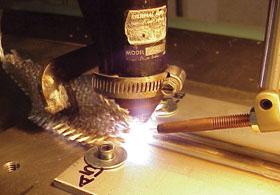
Plasma Arc Welding (PAW) utilizes a constricted electric arc to produce a high-temperature plasma jet. This technique provides exceptional precision and is effective for welding thin materials. PAW is used in industries that require high-quality, clean welds, such as electronics and medical device manufacturing. The precision and control offered by PAW enable detailed and intricate welds, meeting the stringent requirements of advanced technological applications. 🌟🔬
Conclusion
Hamilton’s welding industry benefits greatly from the diverse range of welding Hamilton techniques available. From the heavy-duty capabilities of Shielded Metal Arc Welding (SMAW) and Flux-Cored Arc Welding (FCAW) to the precision of Gas Tungsten Arc Welding (GTAW) and Plasma Arc Welding (PAW), each method serves specific applications, ensuring the integrity and strength of welded structures. Whether for large-scale construction projects or high-precision work, Hamilton’s welders are well-equipped to handle any challenge with expertise. 🛠️💡
FAQs
Q: What is Shielded Metal Arc Welding (SMAW)?
A: SMAW uses a consumable electrode coated with flux to create a gas shield, protecting the weld area from contamination. It’s versatile and commonly used for welding iron and steel. 🔧
Q: How does Gas Metal Arc Welding (GMAW) differ from SMAW?
A: GMAW, or MIG welding, uses a continuous wire feed and shielding gas, whereas SMAW uses a flux-coated electrode. GMAW is faster and more efficient for welding non-ferrous metals. ⚡
Q: What are the benefits of Flux-Cored Arc Welding (FCAW)?
A: FCAW is effective for welding thick materials and provides a high deposition rate, making it ideal for construction and heavy-duty applications. 🏗️
Q: Where is Gas Tungsten Arc Welding (GTAW) commonly used?
A: GTAW, or TIG welding, is used in industries requiring high-quality and precise welds, such as aerospace and automotive sectors. 🚀
Q: Why is Submerged Arc Welding (SAW) suitable for large materials?
A: SAW offers deep weld penetration and protection from contaminants, making it ideal for large and thick materials. 🌊
Q: How does Resistance Spot Welding (RSW) benefit manufacturing processes?
A: RSW provides fast, consistent welds, enhancing production efficiency, especially in automotive manufacturing for joining sheet metal. 🚗
Q: What industries benefit from Plasma Arc Welding (PAW)?
A: PAW is used in industries needing high-quality, clean welds, such as electronics and medical devices, due to its precision and ability to weld thin materials. 🌟