

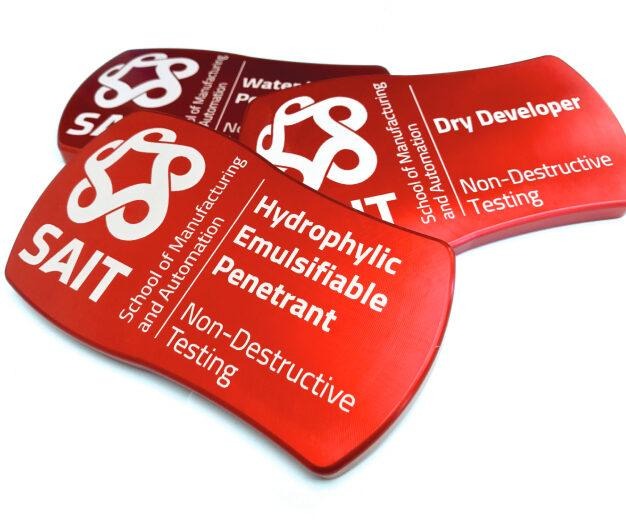
Industrial identification is an essential part of modern manufacturing, equipment management, and product tracking. Businesses across different sectors rely on clear identification systems to organize machinery, maintain accurate records, and improve operational efficiency. Selecting the right custom industrial nameplate requires understanding application requirements, environmental conditions, material options, and marking methods. The correct identification solution helps ensure important information remains visible and accessible throughout the product lifecycle.
Table of Contents
- Why Industrial Identification Is Important for Businesses
- Understanding Custom Industrial Nameplate
- Selecting the Right Material for Industrial Applications
- Exploring Different Marking and Printing Methods
- How Industrial Tags Support Equipment Tracking
- Important Factors When Choosing an Identification Solution
- Common Applications of Custom Identification Solutions
- Factors That Influence the Performance of Industrial Identification Solutions
- Benefits of Choosing the Right Nameplate Solution
Why Industrial Identification Is Important for Businesses
In industrial environments, accurate identification supports smooth operations by helping teams quickly recognize equipment, components, and assets. Manufacturing facilities often manage large quantities of machinery and products, making proper identification an important part of daily processes.
A well-designed identification solution can display essential information such as:
- Serial numbers
- Equipment specifications
- Safety instructions
- Product details
- Manufacturer information
- Tracking codes
A properly selected nameplate tag helps businesses maintain organized records while supporting maintenance, inspection, and asset management activities.
Understanding Custom Industrial Nameplate
A custom industrial nameplate is developed according to specific application requirements, including dimensions, materials, graphics, mounting methods, and information layout. Unlike standard identification labels, custom industrial nameplate solutions are created for industrial environments where durability, visibility, and accuracy are important considerations.
Before selecting a nameplate solution, businesses should evaluate:
- Where the nameplate will be installed
- Environmental exposure levels
- Required information details
- Attachment requirements
- Expected usage conditions
This evaluation helps ensure the selected identification product meets the needs of the application.
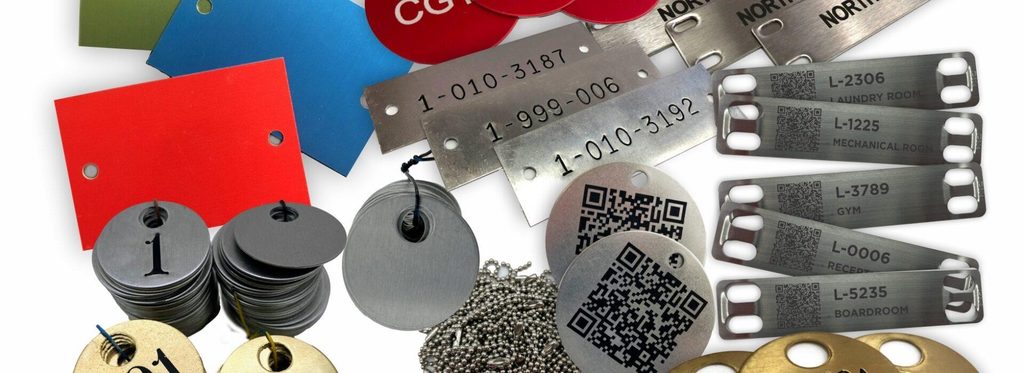
Selecting the Right Material for Industrial Applications
Material selection plays a major role in the performance and suitability of identification products. Different industrial environments require different material characteristics.
Aluminium Nameplates
Aluminum is commonly used for industrial identification because it provides a lightweight option with strong design flexibility. It is suitable for machinery, control panels, equipment housings, and manufacturing applications. Aluminum solutions can support different finishing and printing methods, allowing businesses to include detailed information while maintaining a professional appearance.
Stainless Steel Identification Products
Stainless steel options are often considered for applications requiring additional resistance to demanding conditions. They are commonly used in industries where equipment may experience exposure to moisture, temperature changes, or heavy usage.
Considering Environmental Conditions
Before choosing a material, businesses should consider:
- Indoor or outdoor installation
- Temperature exposure
- Chemical contact
- Surface conditions
- Cleaning requirements
Understanding these factors helps determine the most suitable identification approach.
Exploring Different Marking and Printing Methods
The marking method affects how information appears and performs in different environments. Businesses should select a process based on design requirements and application conditions.
Screen Printing
Screen printing allows businesses to include text, symbols, colours, and logos with clear visibility. It is commonly used where consistent branding and information presentation are required.
Engraving
Engraving creates markings directly into the material surface. This method can be useful for applications requiring permanent identification details.
Digital Printing Options
Digital printing supports detailed designs, barcodes, serial numbers, and customized layouts. It provides flexibility for businesses requiring complex identification information.
Choosing the appropriate marking technique helps maintain readability and supports effective asset management across various industries in Canada. The right printing or engraving method ensures that important identification details remain clear, helping businesses organize equipment information, improve tracking processes, and maintain accurate operational records.
How Industrial Tags Support Equipment Tracking
Industrial tags are widely used in manufacturing, energy, transportation, and equipment-based industries to organize and identify valuable assets.
These identification products help businesses manage:
- Machinery records
- Maintenance information
- Inventory systems
- Production components
A structured industrial tags system allows teams to access important equipment information more efficiently and reduces confusion in complex industrial environments.
Important Factors When Choosing an Identification Solution
Selecting the right identification product involves more than choosing a design. Businesses should consider several practical factors before finalizing their requirements.
Application Location
The installation environment influences material selection, finish, and attachment method. Products used outdoors may require different considerations compared with indoor applications.
Information Requirements
The amount of information displayed affects the size and design of the identification product. Some applications require basic details, while others need multiple data fields.
Mounting Method
Different surfaces may require different attachment options. Adhesive backing, mechanical fastening, or other mounting methods should be selected based on the equipment surface and usage conditions.
Industry Requirements
Certain industries may have specific documentation or identification needs. Reviewing these requirements helps businesses select a suitable solution.
Common Applications of Custom Identification Solutions
Custom identification products are used across many industries, including:
- Manufacturing equipment
- Electrical systems
- Automotive components
- Industrial machinery
- Control panels
- Product assemblies
- Safety equipment
Each application requires careful consideration of materials, marking methods, and environmental conditions to achieve suitable identification results.
Factors That Influence the Performance of Industrial Identification Solutions
Selecting an identification solution requires understanding how different factors affect its long-term usability and visibility. Businesses should consider the operating environment, surface conditions, information requirements, and expected exposure levels before finalizing a custom industrial nameplate for their equipment or products.
Environmental conditions such as moisture, heat, chemicals, abrasion, and outdoor exposure can influence material and finish selection. For example, equipment used in demanding industrial settings may require stronger materials and specialized marking methods to maintain clear information display. The mounting surface should also be reviewed to determine whether adhesive backing, mechanical fastening, or another installation method is suitable.
The design layout is another important consideration. A well-planned identification product should provide enough space for essential details while maintaining readability. Information such as serial numbers, safety instructions, product codes, and branding elements should be arranged clearly for quick recognition. Industrial Nameplates help businesses evaluate different identification requirements and create solutions based on specific applications.
By considering material options, marking techniques, and usage conditions, organizations can develop identification systems that support better equipment management and operational organization. Careful planning before production helps ensure the selected identification product aligns with industry needs and provides consistent information visibility throughout its intended application.
Benefits of Choosing the Right Nameplate Solution
A properly selected identification product can support several operational benefits.
- Improved Equipment Recognition: Clear identification allows employees to quickly recognize machinery, components, and assets.
- Better Asset Organization: Accurate markings support organized records and improve equipment management processes.
- Easier Maintenance Planning: Identification details help maintenance teams access important information when reviewing equipment.
- Long-Term Information Visibility: Suitable materials and marking methods help maintain readable information throughout the expected application period.
Conclusion
Choosing the right custom industrial nameplate involves evaluating materials, marking methods, installation conditions, and identification requirements. Businesses should focus on solutions that provide clear information, support asset management, and match the demands of their operating environment. A carefully planned identification system helps improve organization and creates a reliable foundation for industrial tracking needs.
Need custom identification solutions for industrial applications? Find Industrial Nameplates on the map to learn more about available nameplate and marking options in Canada.
Frequently Asked Questions
What is a custom industrial nameplate used for?
A custom industrial nameplate provides identification details for machinery, equipment, and products. It can display information such as serial numbers, specifications, safety details, and tracking data.
How do businesses choose the right nameplate material?
Businesses should consider environmental exposure, installation location, durability requirements, and application conditions when selecting a suitable material.
What information can a nameplate tag include?
A nameplate tag can include serial numbers, equipment details, product information, barcodes, logos, and other identification data required for tracking.
Where are industrial tags commonly used?
Industrial tags are used in manufacturing facilities, machinery applications, electrical systems, automotive industries, and other environments requiring organized asset identification.
Why are industrial identification solutions important?
Industrial identification solutions help businesses organize assets, maintain accurate records, support maintenance activities, and improve operational communication.